Shadow Puppet Storytelling
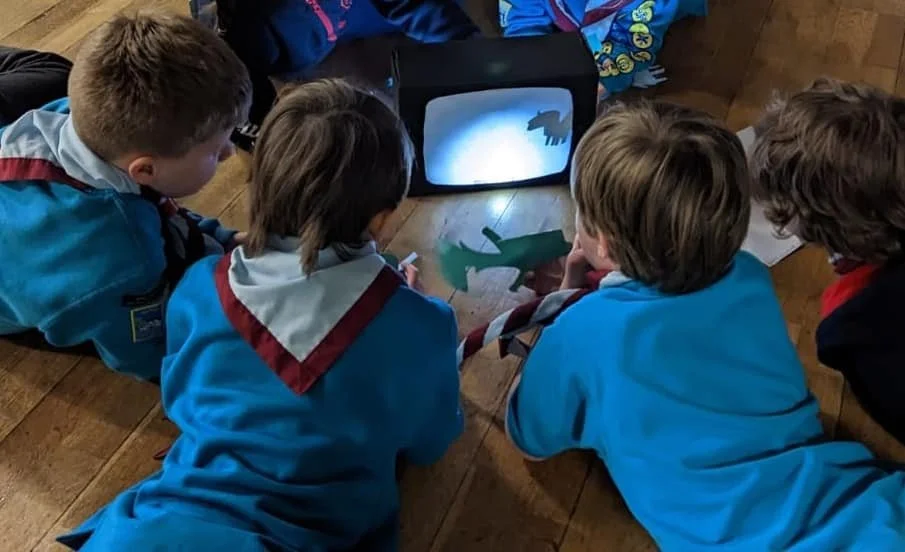
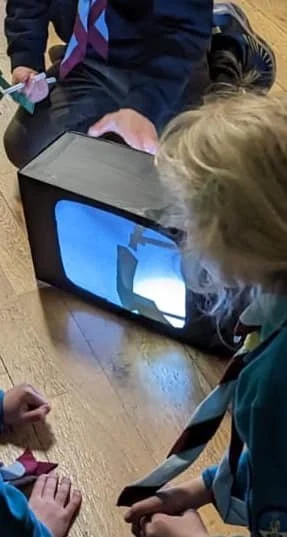
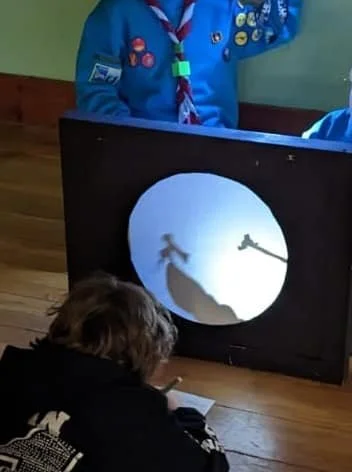
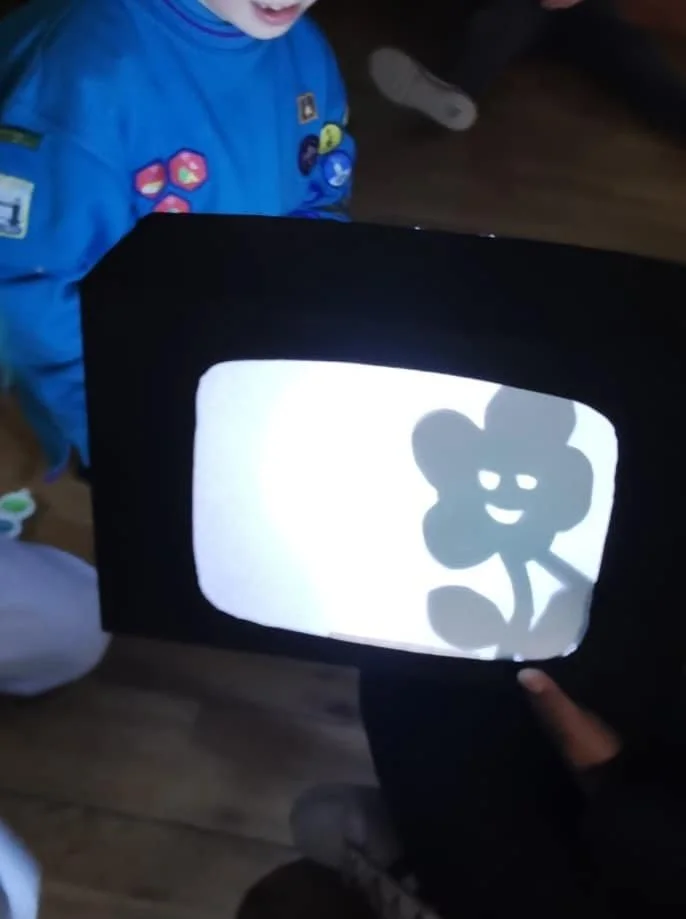
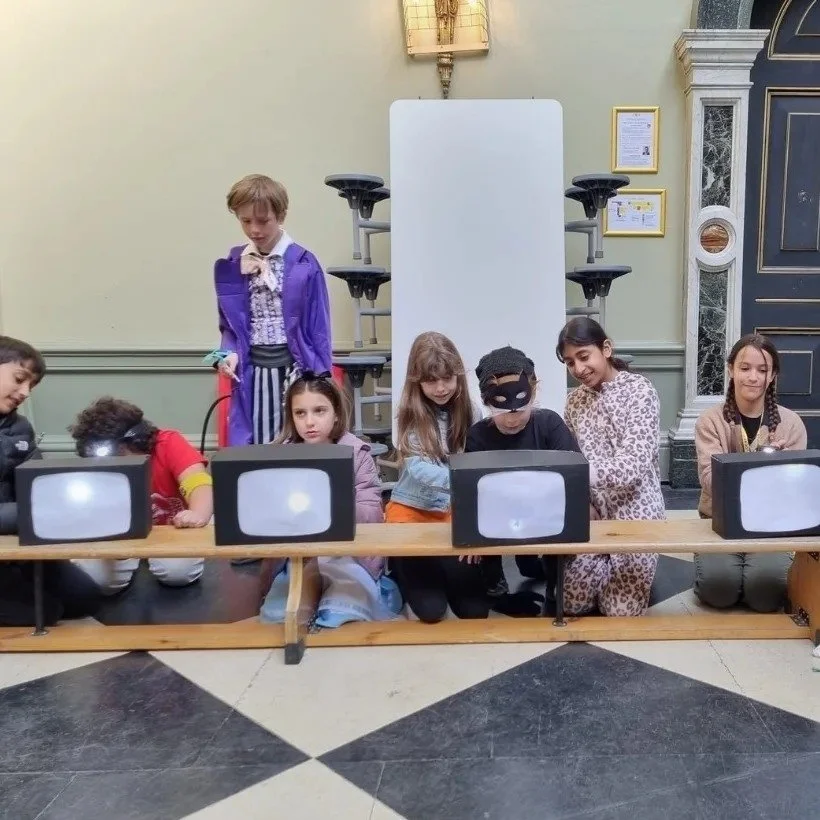
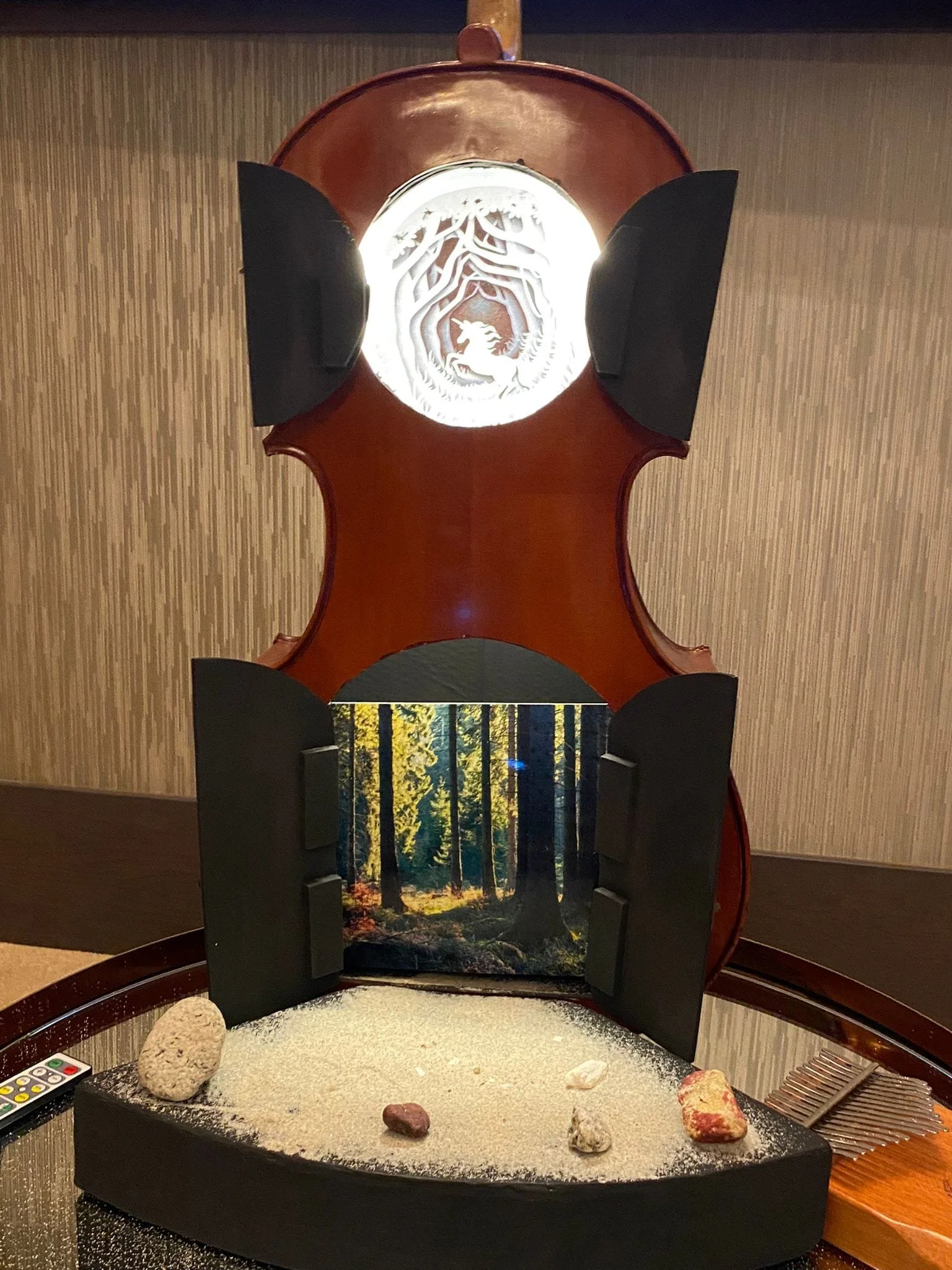
What is a Shadow Puppetry?
Shadow puppetry is a visual theatre form that uses silhouettes, light, and motion to explore storytelling, science, and design. It allows pupils to investigate how light travels while developing creativity, collaboration and team work, and performance and oracy skills.
It is a non-judgmental form of expression making it particularly accessible for diverse learners and those who benefit from indirect or sensory-based communication.
Why Shadow Puppetry Works Across All School Form Stages
No facial features, making it inclusive & non-judgmental
Focuses on movement, shape, and imagination
Low-cost materials
Strong STEM + Arts integration (STEAM)
Scales from play-based learning to conceptual performance
Flexible Workshop Structure
Explore – Light & shadow play
Design – Make unique puppets
Test – Experiment with light, distance, movement
Create – Build a short performance
Reflect – Group discussion on what worked well and why?
This structure stays the same from EYFS to KS3 — only the depth and complexity changes.
Inclusion & Accessibility
Shadow puppetry is particularly effective because:
It removes pressure from facial expression and appearance
It supports non-verbal and neurodivergent learners
It allows multiple ways to participate (design, movement, sound, narration)
It is adaptable for SEND, SEMH, and EAL pupils
Curriculum Links
Science
Light sources, shadows, reflection, absorption
Forces, movement, and materials
Design & Technology
Designing, making, testing, and improving
Mechanisms and structures
Art & Design
Shape, silhouette, composition, symbolism
Visual storytelling
Drama
Performance skills
Character, narrative, audience awareness
PSHE / Inclusion
Confidence-building
Communication and collaboration
Benefits for Schools
Engaging, memorable learning experiences
Strong cross-curricular impact
Minimal equipment required
High-quality outcomes in a short time
Supports Ofsted focus on creativity, inclusion, and enrichment